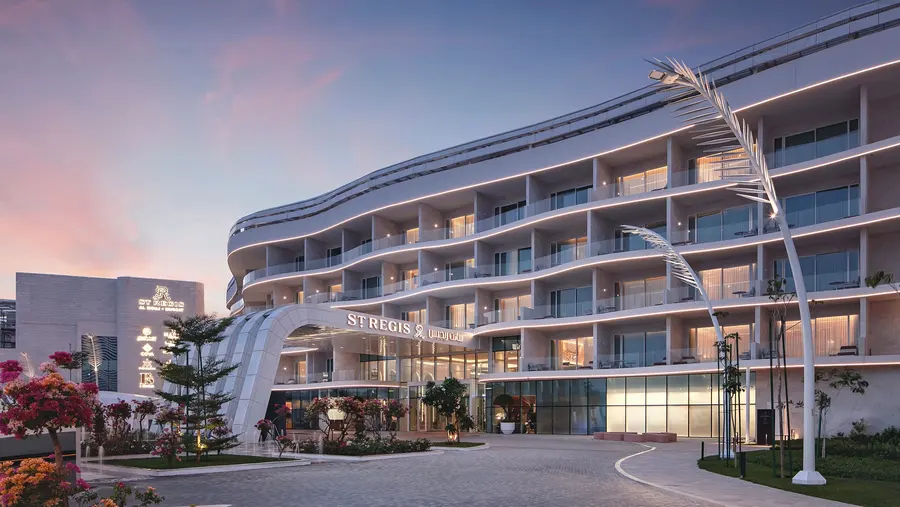
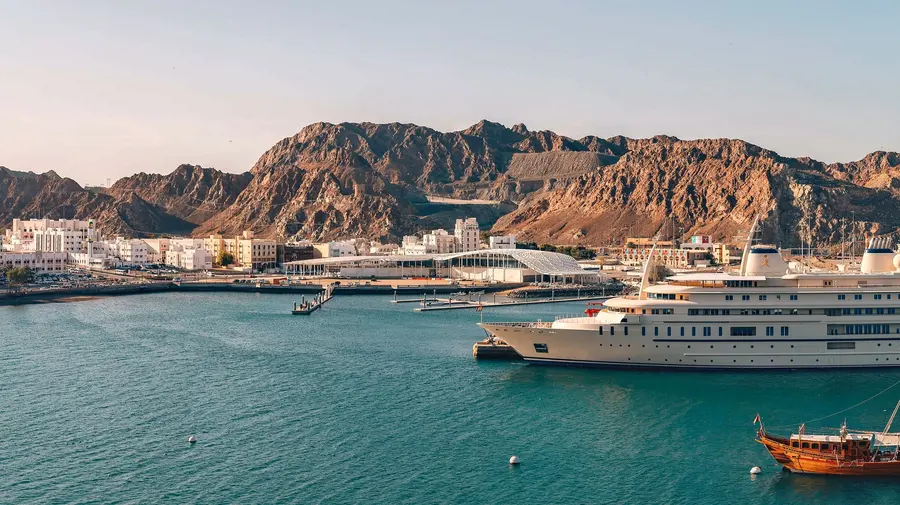
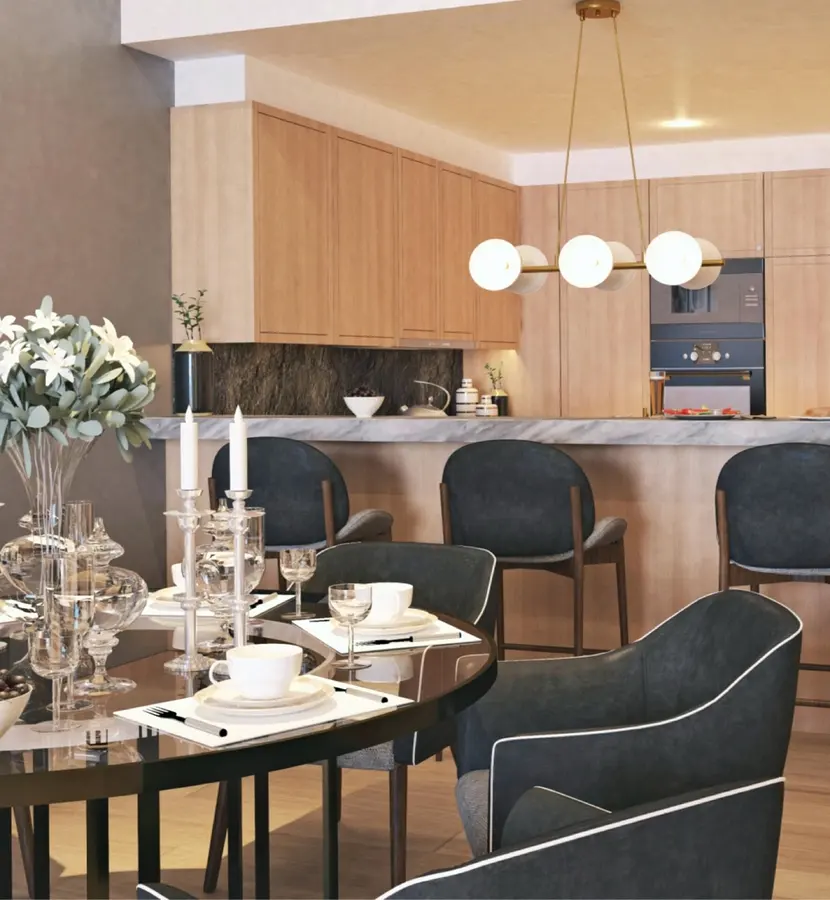
A private collection of residences in Muscat: a marina, a golf course and the beaches of the Gulf of Oman.
Handled personallyEach residence is shown once, with one set of facts and one price.
Confirmed before it is shownPrices, sizes and availability are confirmed directly by your advisor.
Private viewings, by requestYour advisor arranges every visit personally, in person or by video.
Leased
New
New
The same home is often advertised by many agents at many prices. Here it appears once, with the advisor who knows it.
A single, accurate listingOne set of photographs, one set of facts, one price.
A named advisor on every enquiryYour request goes to a person you can meet, never to a call centre.
Discretion as standardViewings by appointment, and exclusive residences that are not advertised.
A short, neutral summary. Rules and rates are set by Omani law and by the authorities, and they change, so confirm the current position with a lawyer and the authorities before you decide.
Yes, in some places. Foreigners can hold freehold property mainly in Integrated Tourism Complexes, under Royal Decree 12/2006. Outside those places, and in some restricted areas, non-Omanis cannot own land or property. Confirm that the exact plot is in a licensed complex, and ask the developer and the Ministry of Heritage and Tourism for this in writing.
Mainly in Integrated Tourism Complexes. The ownership system for these complexes is set by Royal Decree 12/2006, with its executive regulation and later amendments. Press reports say a 2026 law opens ownership more widely. Confirm this with the Ministry of Housing and Urban Planning before you rely on it.
It can. Since June 2026, the Royal Oman Police issues an owner residence permit without a sponsor to a foreigner who owns a registered unit, or a unit whose registration is in progress. The permit ends if the ownership is transferred. The official service page (2025) describes two years, and Decision 87/2026 sets six months to one year for the stage before registration. Confirm the current validity with the Royal Oman Police.
The first sale of a residential property is subject to VAT at 5%, according to the Tax Authority's real estate guide. A resale of residential property is exempt. Property in a Special Economic Zone can be zero-rated under its own conditions. Confirm the treatment of your unit in writing with the developer.
In January 2025 the ministry reduced the sales-contract registration fee to 1% for Omani individuals and companies, from 2%. The fee for non-Omani buyers is set by the ministry, so ask the Ministry of Housing and Urban Planning for the current schedule. A mortgage registration fee is capped at 0.5% if a mortgage is registered.
Yes, from 2028. The Personal Income Tax Law (Royal Decree 56/2025) applies to individuals whose total annual income exceeds OMR 42,000, at 5%. Residential rent is taxable under the law. Older investment pages that say Oman has no personal income tax predate the law. Check the filing rules and the executive regulation when they are published.
Some banks lend to non-Omani residents, and some mortgages are tied to approved developments. Press reports give loan-to-value ratios that differ from one another, so ask the bank for written terms. Confirm with an Omani lawyer whether the unit can be used as security.
Press reports say the spouse and first-degree relatives of an eligible owner may be covered, subject to age rules set by the Director-General. The official service page does not list family members. Confirm the position for each relative with the Royal Oman Police before you buy.
Yes. Residential rent is exempt from VAT where occupancy is for more than three months under Oman's tenancy laws. Short-term stays fall outside that definition. From 2028, residential rent is taxable under the personal income tax law. Take advice before you let the home, and confirm the registration rules for tenancy contracts with the authorities.
Secondary sources consistently recommend a will. Secondary legal guides place Oman's family law under the Personal Status Law (Royal Decree 32/1997), and succession to real property depends on the ownership structure. One source says ITC property may not pass automatically on death, even under a will. Take advice in Oman and in your home country.
The Ministry of Housing and Urban Planning stated in July 2026 that off-plan units cannot be sold until the developer has opened an escrow account with a local bank, and that the developer must hold a development licence, a project licence and a marketing permit. Ask the ministry in writing for the escrow percentages and the refund rights. Check the licences and the account before you pay.
Ask for the developer's real estate development licence, the project licence and the marketing permit, and check them with the Ministry of Housing and Urban Planning. Confirm the legal entity that signs the contract, and the bank account it uses. Ask whether the plot is in a licensed Integrated Tourism Complex. Do not pay into a personal account.
Tell us what you are looking for and your advisor will introduce suitable residences privately.
Your advisor will be in touch personally. Nothing is shared publicly.
If you own a residence of this calibre, or represent a developer with penthouses and villas still to be placed, we would be glad to hear from you.