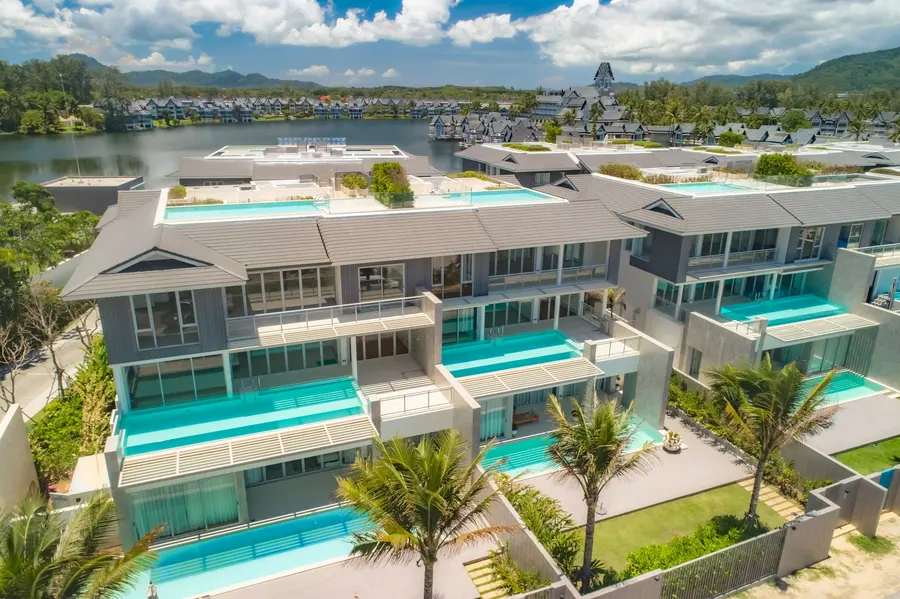
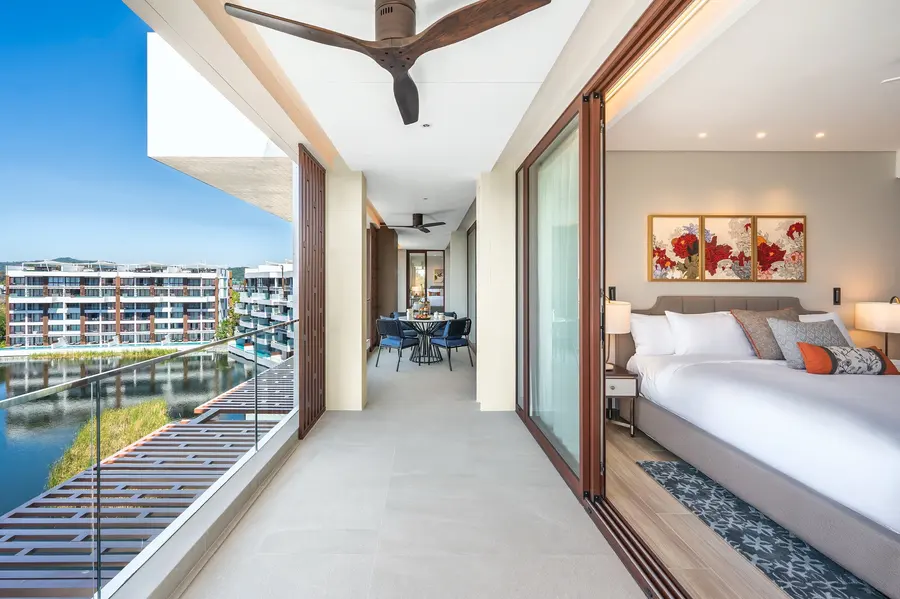
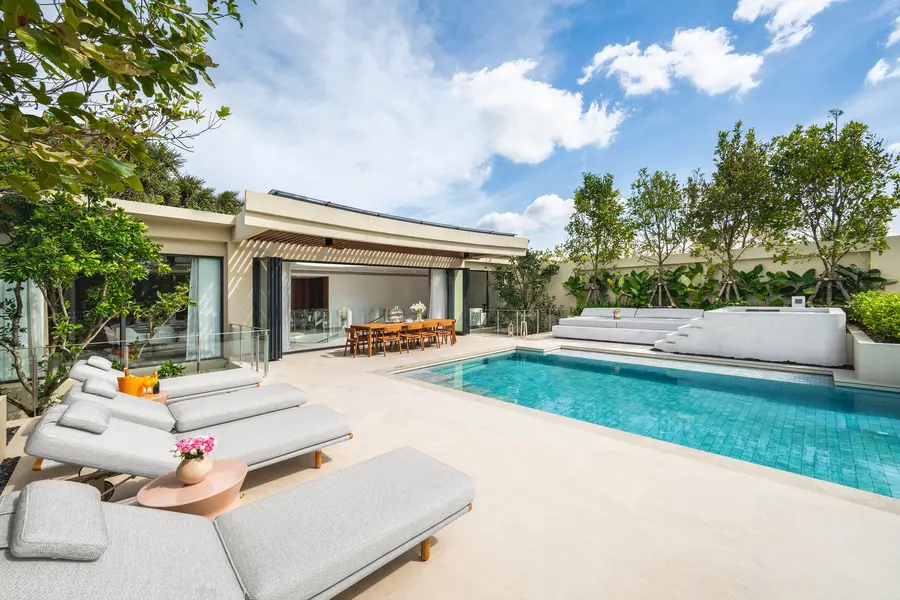
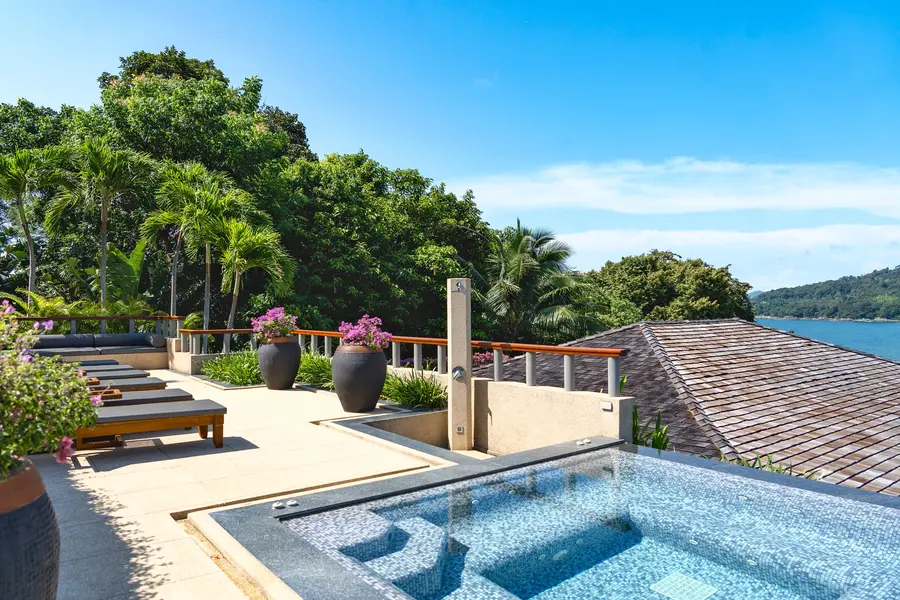
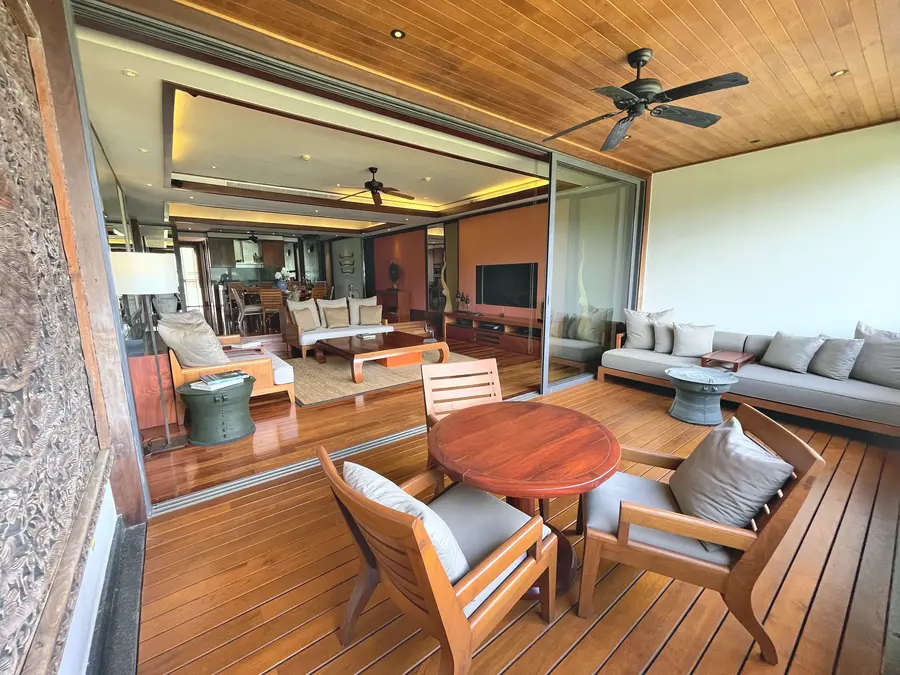
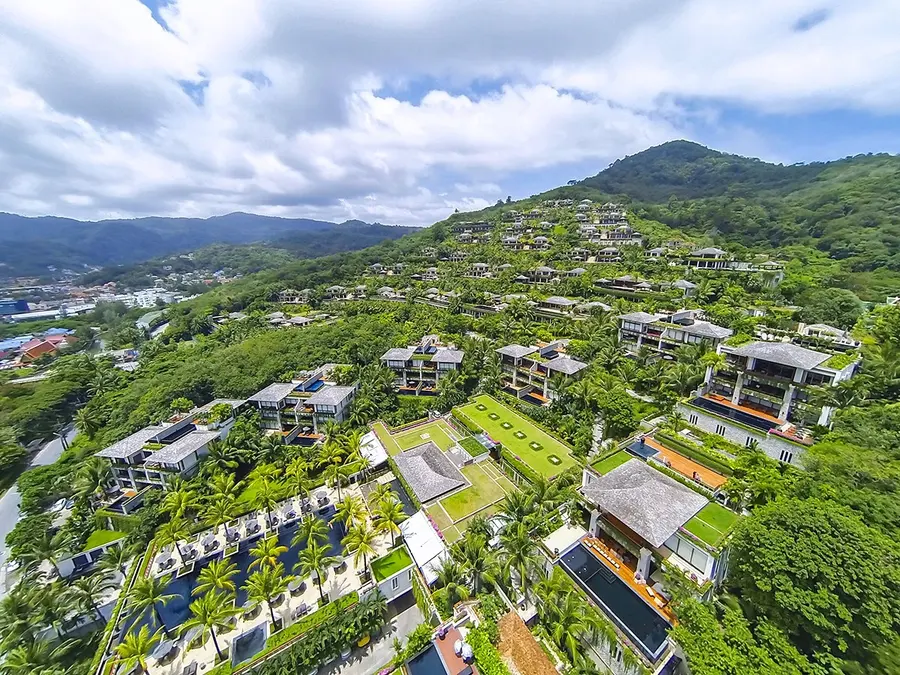
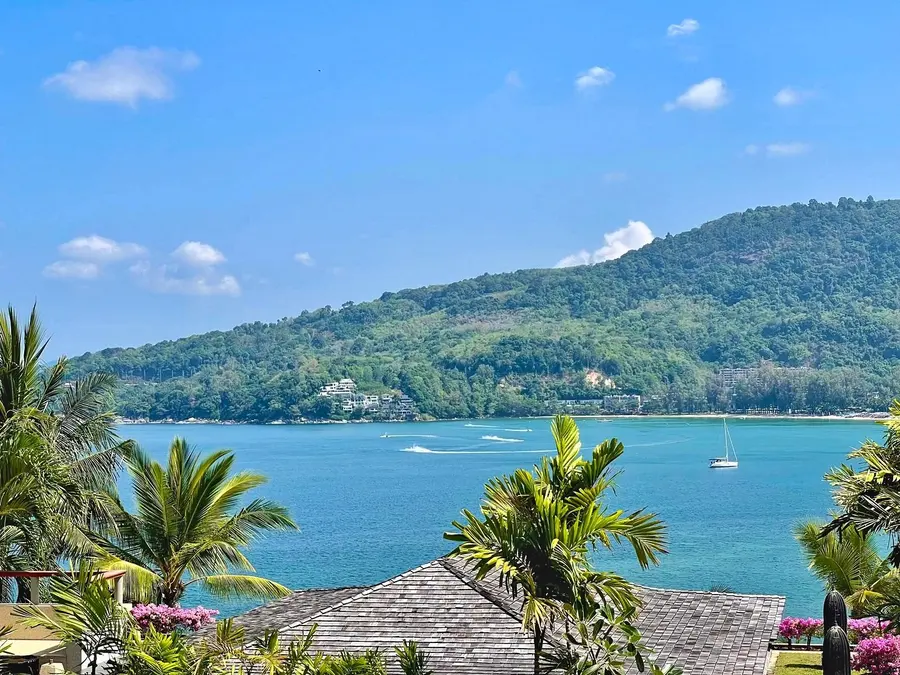
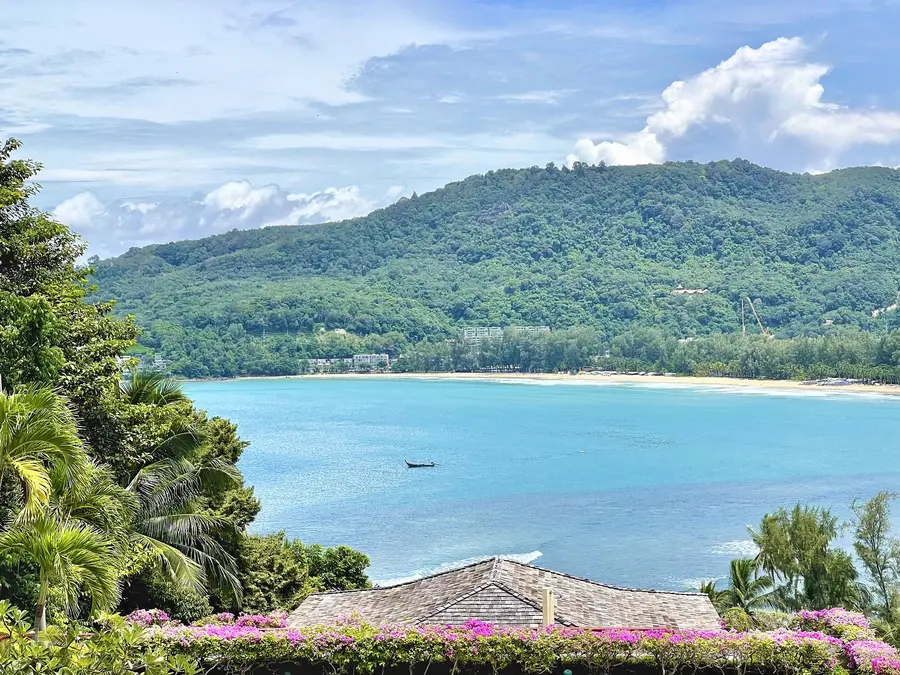
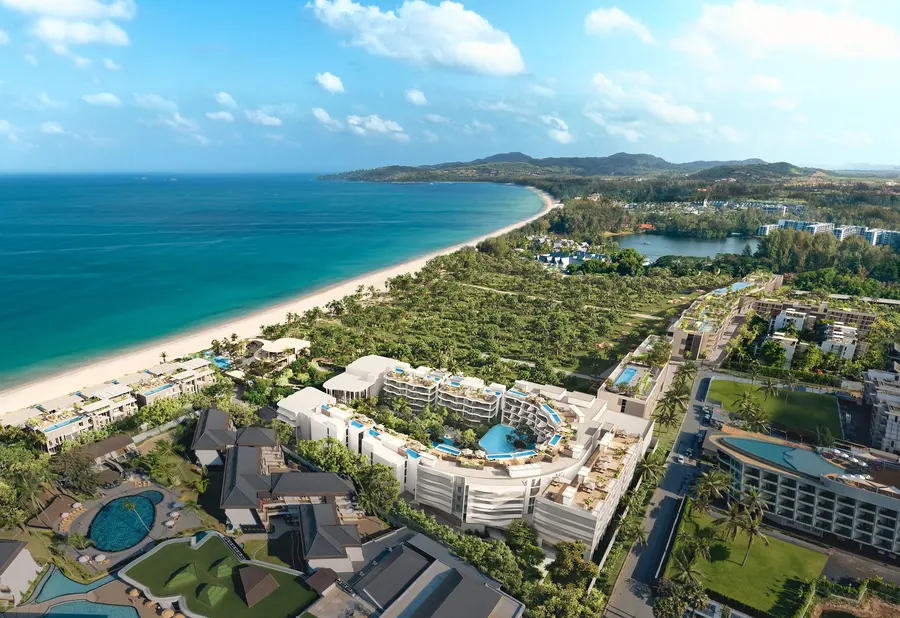
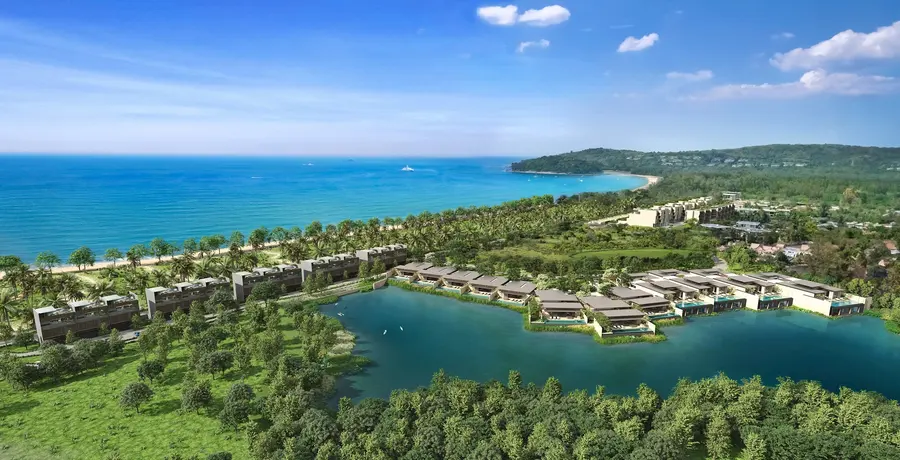
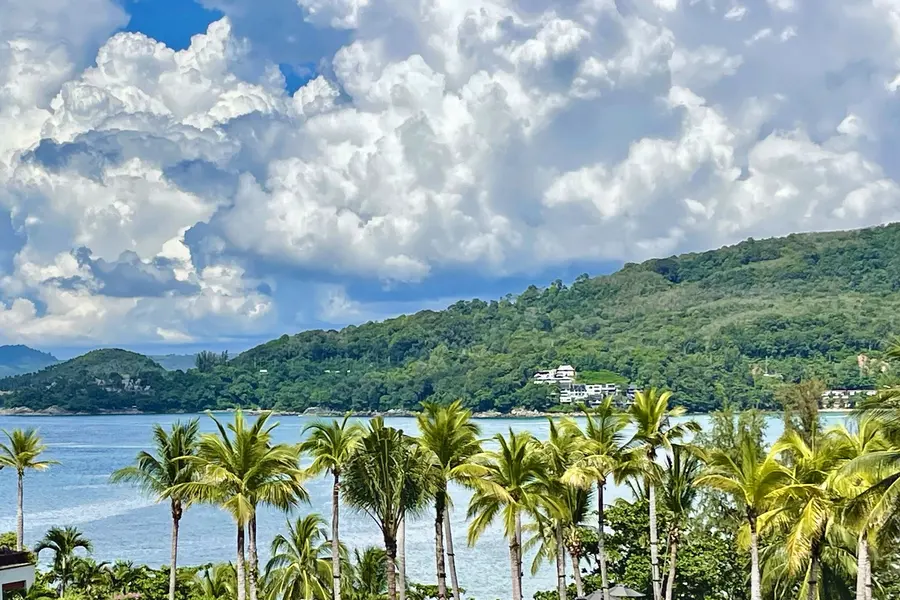
A private collection of residences in Phuket: a hillside above the Andaman Sea, a resort at your door and an unhurried island life.
Handled personallyEach residence is shown once, with one set of facts and one price.
Confirmed before it is shownPrices, sizes and availability are confirmed directly by your advisor.
Private viewings, by requestYour advisor arranges every visit personally, in person or by video.

The same home is often advertised by many agents at many prices. Here it appears once, with the advisor who knows it.
A single, accurate listingOne set of photographs, one set of facts, one price.
A named advisor on every enquiryYour request goes to a person you can meet, never to a call centre.
Discretion as standardViewings by appointment, and exclusive residences that are not advertised.
Buying guideThailand ownership and visas guideForeigners can own a condominium unit freehold in Thailand, within a quota, but not land. This guide sets out how freehold and leasehold work, what has to be checked before you pay, the costs and taxes, and which visas suit a long stay.
Twice a yearPhuket Property Market ReportCondominiums kept selling in the first half of 2026, while new villa launches fell by more than half and not one luxury villa project came to market.A short, neutral summary. Rules and fees are set by the authorities and change, so confirm the current position with them before you decide.
A foreigner can own a condominium unit freehold, in their own name, within the 49% foreign quota of the building. A foreigner cannot hold freehold title to land, so a villa on land is usually held on a lease or through another structure that needs a Thai lawyer.
It is the share of a building that can be held by foreigners: the total floor area of the units owned by foreigners may not exceed 49% of the building. The juristic person of the building can certify whether a unit is inside it, so ask for the figure before you pay a deposit.
A freehold condominium unit is owned without a time limit and can be sold, inherited and, within the quota, financed. A lease is a right to use a property for a fixed period; an ordinary lease of land is capped at 30 years, and promises of further renewals are personal contracts that may not be enforced.
The price of a condominium has to arrive from abroad in foreign currency, from an account in your own name, with the purpose stated as the purchase of a property. The Thai bank records it on a foreign exchange transaction form, which the Land Department asks for when the unit is registered.
The standard transfer fee is 2% of the appraised value, usually shared by the two sides; the reduced fee of 0.01% is for Thai individuals only. A seller who has held the property for less than five years pays specific business tax of 3.3%, and after five years stamp duty of 0.5%. Each year the owner pays the land and building tax and the management fees.
No. Owning property does not give residence in Thailand. The Long-Term Resident visa counts a Thai property investment of at least USD 500,000 toward its Wealthy Global Citizen category, which also requires USD 1 million in assets. Other long stays use separate visas, such as the Destination Thailand Visa.
Since 15 September 2026 the visa-exempt stay for most eligible nationalities is 30 days, for tourism, with a possible extension of up to 30 days. The list of eligible countries has changed, so check your nationality on the official pages of the Thai embassy before you travel.
A few banks lend to foreigners, usually on freehold condominium units that are inside the quota, with a lower loan-to-value than for Thai borrowers and a more demanding approval. Terms vary between banks and over time, so ask the bank for a written offer before you rely on it.
Resort residences often have a rental programme run by the resort, and it is optional. Stays of less than 30 days are treated as hotel use in Thailand and generally need a hotel licence; many condominium rules forbid them, and enforcement is rising in Phuket. Check the rules of the building and the terms of the programme.
A foreign heir who does not meet the conditions to hold a condominium unit may have to sell it within a set time, so the owner should make a will and take Thai legal advice on it. The details depend on the heir’s status; confirm them with a Thai lawyer.
The title deed of the unit, the certificate of the juristic person and the quota of the building, the debts and fees of the building, the draft contract and the way the money will be sent. Your advisor will go through the list with you, and a Thai lawyer should check the documents before you pay a deposit.
Send a request on a residence page or through the contact form. Your advisor will reply, arrange a viewing in person or by video, and walk you through the documents, the quota, the costs and the transfer.
Tell us what you are looking for and your advisor will introduce suitable residences privately.
Your advisor will be in touch personally. Nothing is shared publicly.
If you own a residence of this calibre, or represent a developer with penthouses and villas still to be placed, we would be glad to hear from you.